
Advanced RF Needling aftercare
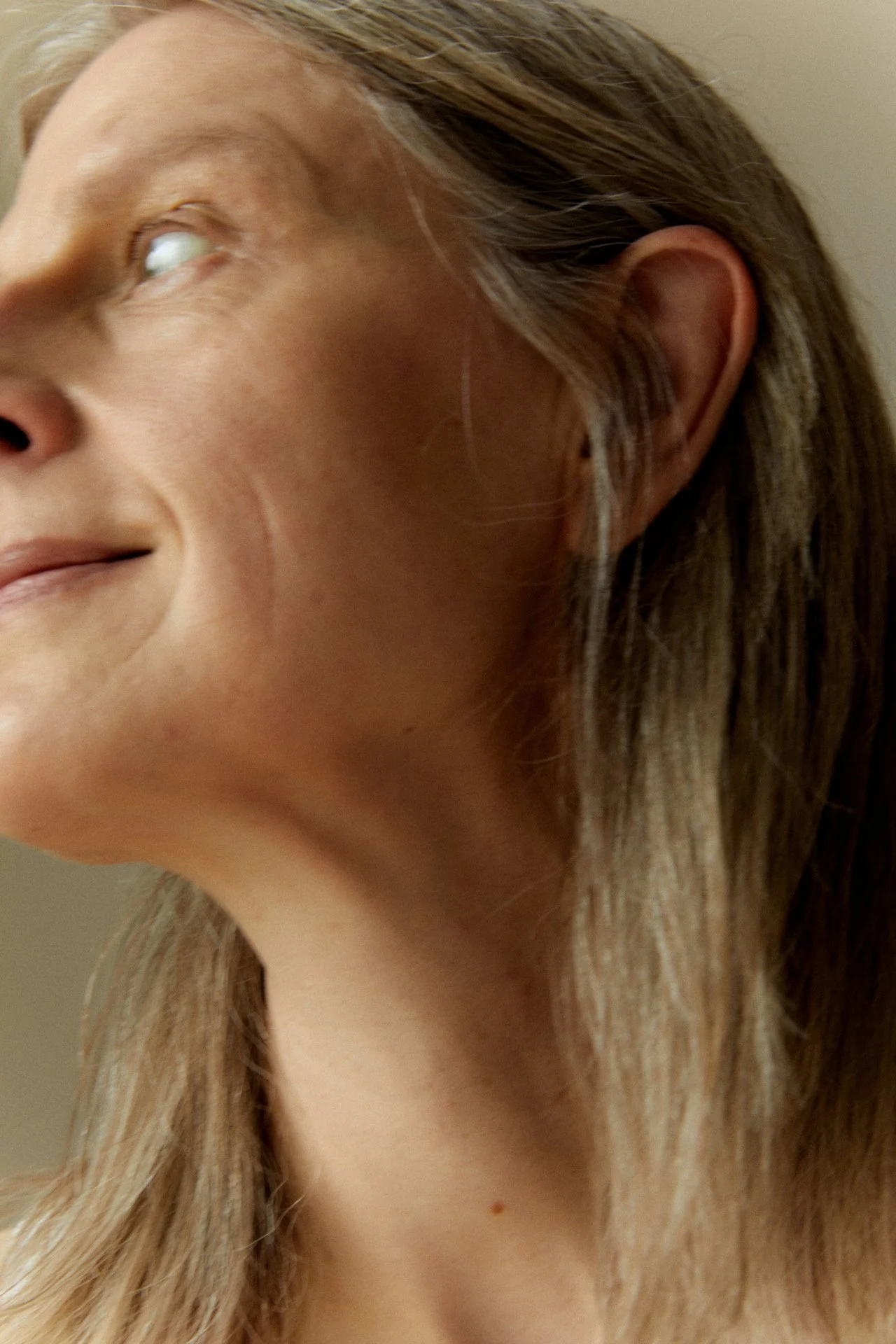
To support your recovery and help avoid any adverse reactions, it is important to follow your aftercare instructions carefully.
RF Needling combines microneedling with radiofrequency energy to stimulate the skin's natural healing and remodelling response. Because the treatment works at a deeper level than standard skin needling, your skin requires careful management in the days following your appointment.
What to expect after your treatment
Redness, warmth, mild swelling, and sometimes crusting are normal and expected immediately after treatment. This typically resembles a sunburned appearance and usually settles within 24–48 hours, though in some cases may last 3–5 days depending on treatment intensity
Waffle-like grid marks or a tingling or burning sensation may be present immediately after treatment. This is normal and resolves within a few hours in most cases
Mild pinpoint bleeding or bruising at needle entry points may be visible. This is normal and resolves quickly
The skin may feel tight, dry, or sensitive for several days following treatment
Light flaking or peeling may occur from days 3–7 as the skin sheds and renews
Some patients experience a temporary bronzed or darkening of the skin before it sheds. This is normal
Patients with oily or acne-prone skin may notice temporary pimples or pustules in the days following treatment. These generally resolve within 1–3 days
If pigmented lesions were treated, they may appear darker before lightening over 1–2 weeks. This is a normal part of the treatment process
Your clinician will apply a soothing post-treatment product and SPF before you leave the clinic.
For the 24 hours following your appointment:
Do not wash the treated area for at least 6 hours post-treatment. After this, cleanse gently with lukewarm water only
Do not apply any product to the skin that has not been approved or instructed by your clinician
Avoid makeup. If absolutely necessary, apply gently with a clean brush or sponge after 24 hours (or after 4–6 hours following a less intensive treatment, as advised by your clinician)
Avoid touching or rubbing the treated area
Avoid direct sun exposure. Wear a hat or protective clothing when outdoors
Avoid hot showers, spas, saunas, and steam rooms
Avoid strenuous exercise or any activity that causes excessive sweating
Avoid alcohol and smoking
Apply a gentle, fragrance-free moisturiser 2–3 times throughout the day if the skin feels tight or uncomfortable
Apply a broad-spectrum SPF 50+ 2–3 times throughout the day
Sleep on clean pillowcases
If you received a more intensive treatment, apply a facial mask or towel-wrapped icepack to the treated area to help alleviate redness and swelling. Note that products containing vitamin C may cause a burning sensation on freshly treated skin and should be avoided
For the 3 days following your appointment:
Continue to avoid strenuous exercise, saunas, swimming, and heat exposure
Continue to avoid alcohol and smoking
Cleanse gently with a mild, non-active, mildly acidic or alkaline cleanser. Avoid anything foaming or exfoliating
Hydrate the skin frequently using a soothing post-treatment cream. Aim for 2–3 applications per day
Continue applying SPF 50+ 2–3 times per day
Avoid fake tanning products
Avoid oil-based or alcohol-based cosmetics and skincare products
Do not pick, scratch, or attempt to remove any flaking or peeling skin. Allow it to shed naturally
Avoid aspirin and ibuprofen unless medically necessary
For the 7 days following your appointment:
Avoid sun exposure and continue daily SPF 50+ application. Wear a hat or protective clothing when outdoors
Avoid swimming in chlorinated pools or the ocean
Avoid waxing, laser, IPL, or other skin treatments in the treated area
Avoid active skincare ingredients including retinoids, AHAs, BHAs, vitamin C, and glycolic acid
Continue to avoid alcohol and smoking where possible
For the 2–4 weeks following your appointment:
Avoid peeling and scrub products for 4 weeks
Avoid phototherapy treatments for 4 weeks
Avoid facials, peels, and microdermabrasion in the treated area for 2 weeks
Avoid excessive sun exposure. Wear protective clothing and SPF daily
Your clinician will advise when you can safely resume your regular skincare routine and active ingredients
Cold sore warning
If you have a history of cold sores, RF needling can trigger an outbreak. If you notice any tingling, itching, or blistering around the treatment area, contact us promptly so we can advise on appropriate management.
Adverse reactions
Please contact us promptly if you experience any of the following:
Skin burns, blisters, severe pain, or bleeding within 24 hours of treatment
Pimples, pustules, folliculitis (inflammation of the hair follicles), burning sensation, or tenderness lasting more than 2–3 days
Scabbing or crusting lasting more than 3–7 days
Increasing redness, heat, swelling, or pain beyond 48 hours post-treatment
Signs of infection including discharge, fever, or spreading redness
Hyperpigmentation, textural changes, or scarring appearing after 1–2 weeks
Any symptoms that concern you
If you are unsure about anything following your treatment, please don't hesitate to contact us. It is always better to check.
Your treatment plan
RF Needling is typically recommended as a course of 3–5 sessions spaced 4–6 weeks apart, depending on your skin concerns and goals. Your clinician will advise on the recommended number of sessions and intervals at your consultation. Results continue to develop over 8–12 weeks following each session as the skin remodels and responds to treatment.
Follow up
Our team is always here if you have any questions or concerns about your RF Needling treatment.
Email: hello@dermhaus.com.au
Call: (07) 3132 7999
